We’re at an inflection point in AI. Codegen is accelerating development, foundation models are stronger and more accessible, and the barriers to building have never been lower.
We’re at an inflection point in AI. Codegen is accelerating development, foundation models are stronger and more accessible, and the barriers to building have never been lower.
But as building becomes easier, so too does building the wrong thing. For companies diving into AI, the real constraint isn’t technology—it’s clarity. The challenge has shifted from “Can we do this?” to “What’s worth building, and how do we make it work inside the messy realities of enterprise?”.
After years of hands-on building, it became clear to me that the most exciting challenges weren’t in model performance, but rather in the translation layer: integrating AI into the business so it actually drives change.
That’s why I shifted out of daily production code and into the role I’m in today: an AI Solutions Architect at Tribe. I help enterprises figure out what to build, how to build it, and how to embed AI into their workflows so it delivers impact. It’s fast, technical, and high-leverage, and more engineers should know this path exists.
If you’re an AI engineer, you probably spend most of your time tucked away inside a product org, focused on a narrow slice of a much larger system.
You go deep, but often without ever seeing the bigger picture. Someone else scopes the problem. Someone else frames the opportunity. You’re handed a ticket, you build what’s asked, and you ship what’s defined.
You rarely talk to customers. You almost never talk to executives. And you’re certainly not talking to the teams at the frontier labs.
That was me. I loved the technical challenge, but I wanted more. I wanted to work across disciplines, influence the high-leverage decisions, and shape what got built, without losing the technical depth that I cared about.
As an AI Solutions Architect at Tribe, I’m not buried in tickets or limited to a single component of the stack. Instead, I partner with CTOs and business leaders to explore what’s possible and how to make it a reality.
I help evaluate:
Once we align, I move fast, building a UI mockup, an agentic workflow, or an end-to-end system with real data and APIs. Sometimes it’s a call with Anthropic or OpenAI that unlocks a constraint and changes the entire approach.
I build 2-3 prototypes a week: fast, focused, high-touch. No grooming meetings. Just design, feedback, execution.
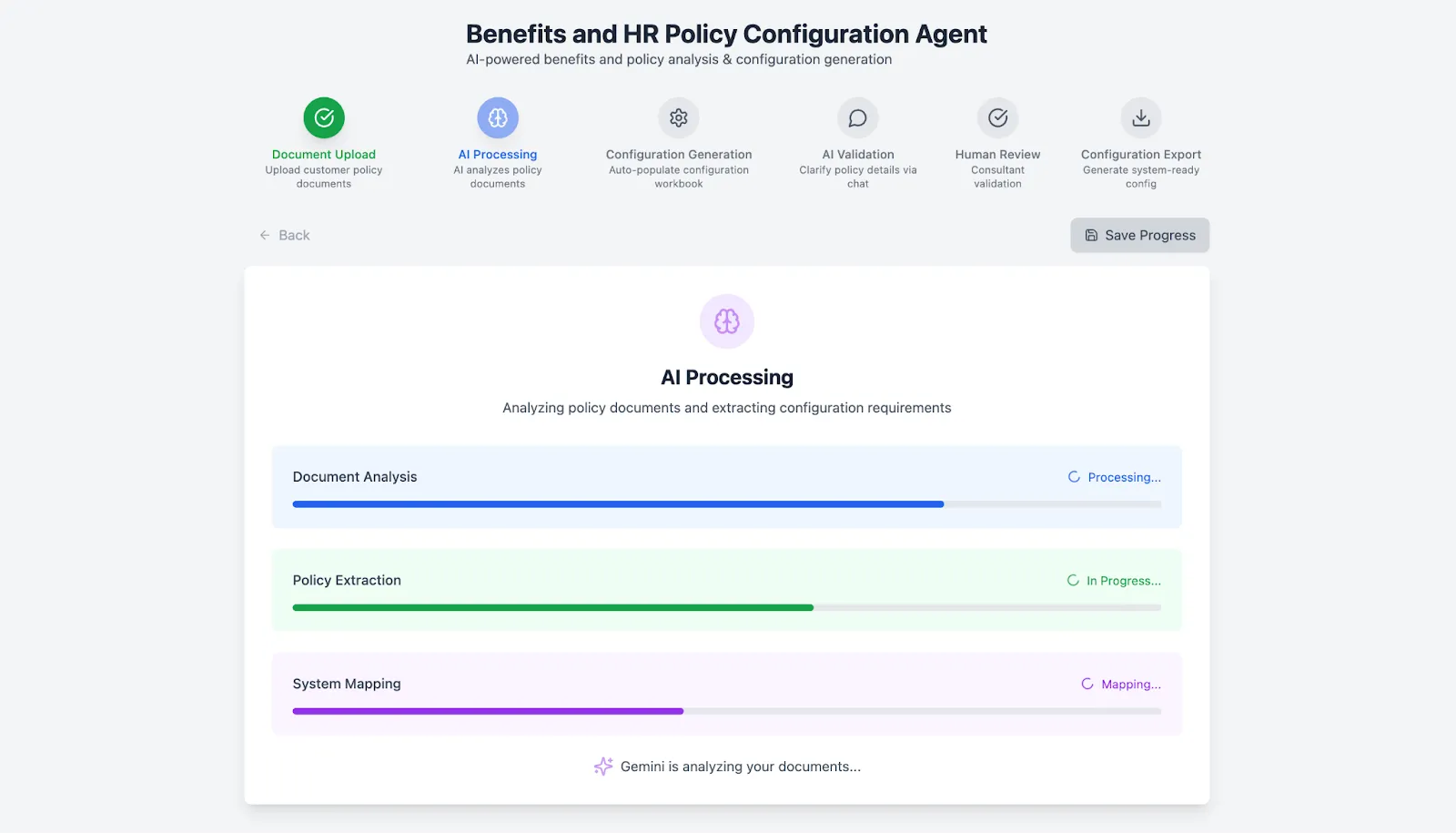
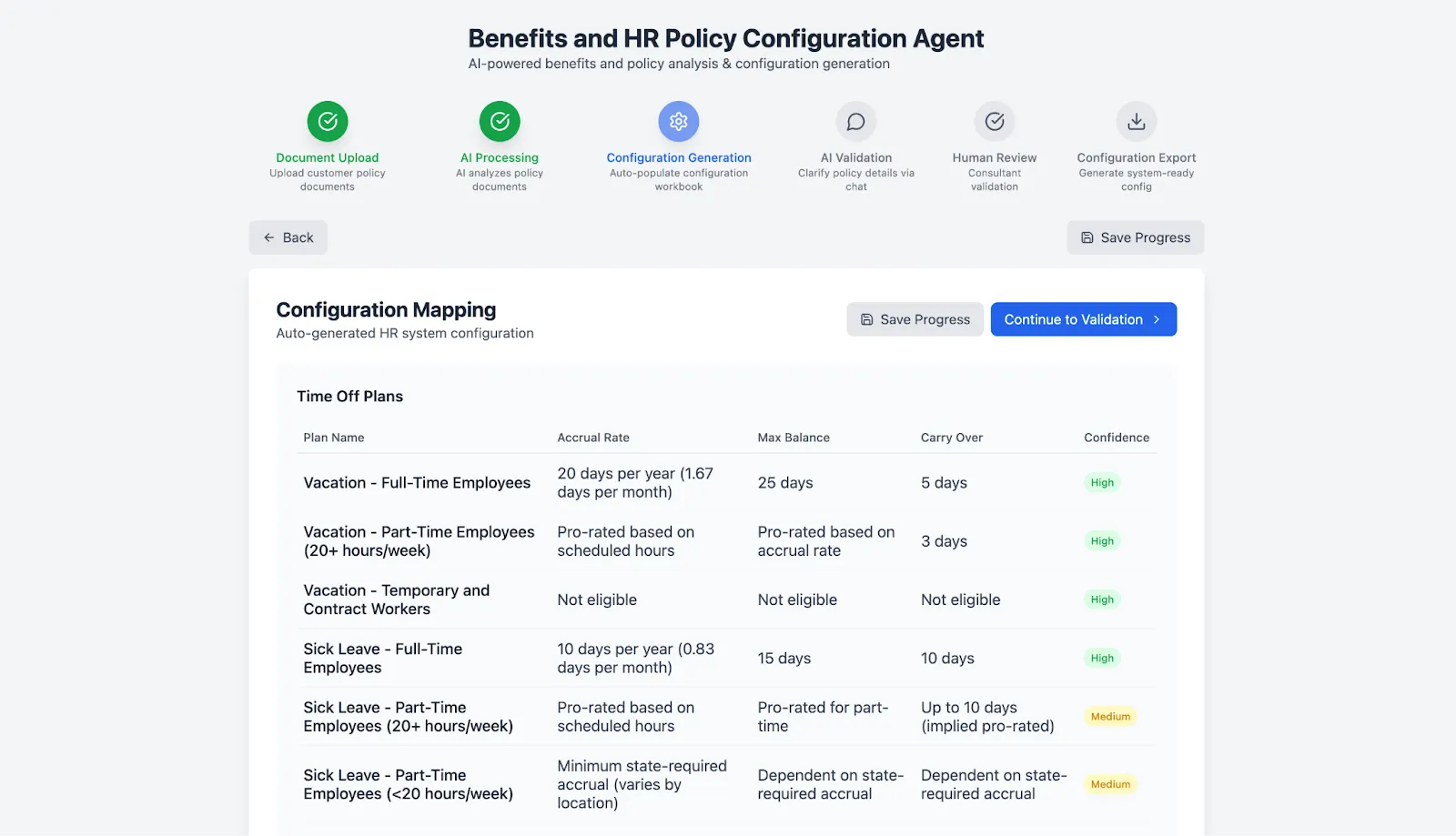
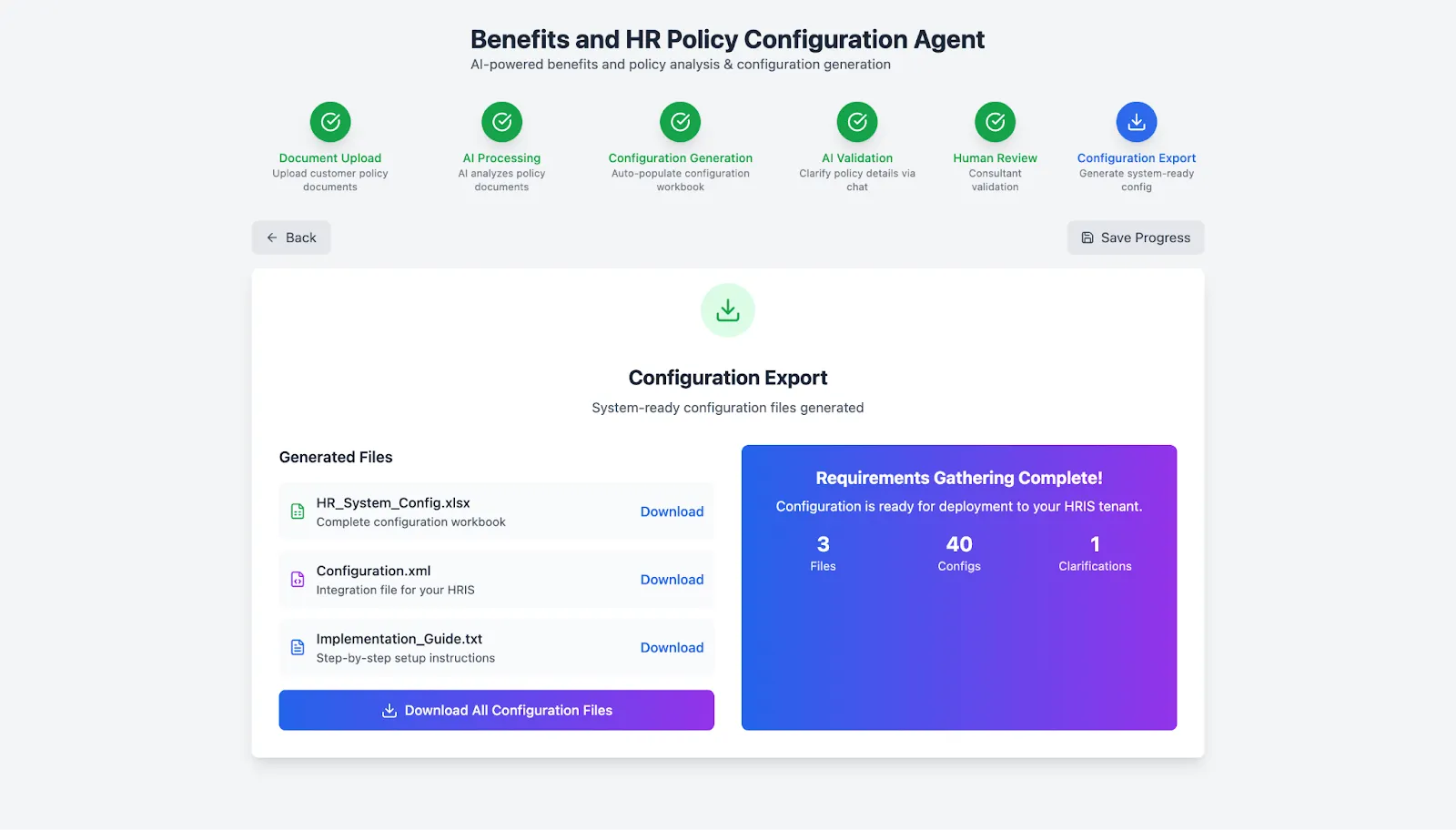
The work is still deeply technical. Each week, I:
The difference is fluency. This role is about bridging worlds (engineers, executives, and customers alike) and showing how systems actually work in practice.
What excites me most about this role is the caliber of problems I get to work on. These aren’t R&D experiments or “let’s see what happens” POCs.
These are the systems that will define companies’ next generation of products, operations, and customer experiences.
I’ve partnered with enterprises to build:
What do these projects have in common? They don’t just need to work. They need to work under real-world constraints: regulatory compliance, fragmented data, legacy systems, strict security policies, cost ceilings, and the politics of large organizations. Navigating that complexity is this role’s superpower.
One of the most unique aspects of this role is the proximity to the teams actually shaping the future of AI.
I’ve had the chance to sit in the room at OpenAI and Anthropic, collaborating with their Applied AI teams, solutions engineers, and GTM leaders. In those sessions, we’re sharing insights from the field, surfacing enterprise requirements, and testing edge cases that influence how these tools evolve.
That access means:
If you want to stay close to the frontier (not just read about breakthroughs on social media or in press releases) this role puts you in the loop, with a seat at the table where the next generation of AI is being defined.
In six months, I’ve seen more enterprise AI builds than I did in years in-house: 200+ customer meetings, 50+ prototypes, countless cycles of feedback, iteration, and integration.
That pace doesn’t just build speed. It builds pattern recognition. I now know where AI adoption tends to break down, which design decisions create downstream risk, and how to explain trade-offs in a way both engineers and executives can act on. That kind of fluency is hard to get anywhere else.
You might be a great fit for this role if:
I used to think stepping away from the keyboard would mean giving up influence. Turns out, it gave me more.
If you’re an AI builder who wants to be in the room where the most important decisions are made, with enterprises betting on their future and with the labs shaping the frontier, this is your next move.